

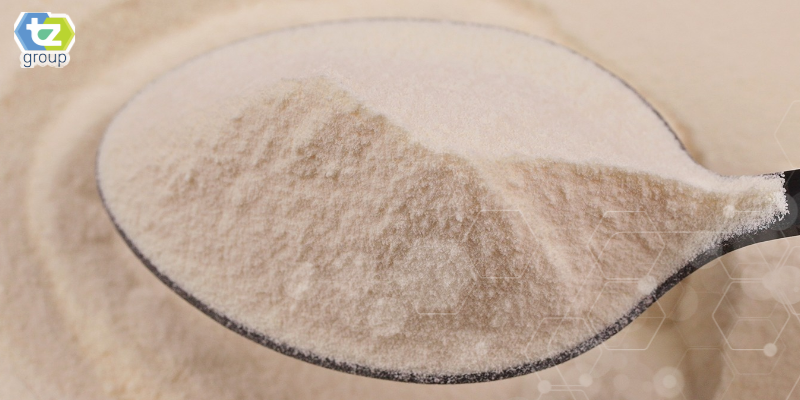
In food and industrial formulations, monosodium phosphate supports pH control and phosphate delivery. Its performance depends on the formulation and process conditions, which can affect product texture and treatment results.
Also known as sodium dihydrogen phosphate (NaH₂PO₄, anhydrous form), it supplies sodium and dihydrogen phosphate ions in water. This blog explores its role in food grade additives, the industrial applications of phosphates, and the key specifications to consider when selecting a grade.

Fuente: Pexels
Why Is Monosodium Phosphate Used as a Food Grade Additive?
It contributes acidity and phosphate functionality to selected food formulations. It is used for pH adjustment and, within certain phosphate systems, affects protein and mineral interactions. Its role depends on accompanying salts, food category, and applicable regulations; it is not a universal replacement for other emulsifying phosphates.
Emulsification and pH Buffering in Processed Cheese and Dairy
In processed cheese, phosphate salts affect calcium binding and casein dispersion, influencing melt and texture. The monobasic salt adds an acidic phosphate component, but formulators often need a balanced mixture of salts to achieve the desired pH and emulsification behavior. Increasing its concentration alone does not guarantee better emulsification.
Dairy formulations must also account for protein content, heat treatment, and flavor. Validate performance under actual processing conditions.
FDA Requirements for Monosodium Phosphate in the United States
In the United States, monosodium phosphate is addressed under FDA regulations for sodium phosphate . Food manufacturers must ensure that its intended use complies with applicable regulatory conditions and good manufacturing practices. A food-grade designation alone does not authorize every application.
For dairy processing, FDA standards for pasteurized process cheese and pasteurized process cheese food establish additional product-specific requirements. Before selecting a phosphate ingredient, verify its permitted use, formulation limits, and applicable labeling rules.
How Is Monosodium Phosphate Used in Industrial Processes?
Industrial applications of phosphates include regulating phosphate concentration, controlling pH, and managing reactions with dissolved minerals or metal surfaces. This acidic salt has a role where its chemistry fits the process design. For boilers and finishing baths, performance depends on the treatment formulation and operating controls, not one ingredient in isolation.
Scale Inhibition and Corrosion Control in Boiler Water Treatment
Phosphate treatment programs manage residual hardness and water chemistry to limit deposits and corrosion risks. The monobasic salt may be part of a balanced program, but its acidic contribution differs from that of more alkaline phosphates. Incorrect dosing or alkalinity control can undermine treatment.
Check boiler pressure, feedwater quality, target phosphate residuals, and equipment requirements. A phosphate ingredient is not automatically suitable for every system.
Enhancing Metal Finishing and Phosphating Processes
Phosphate conversion-coating baths depend on controlled surface reactions. In selected formulations, the salt contributes phosphate and acidity, but coating quality also depends on the substrate, bath composition, temperature, and operating conditions. Specify bath controls and validate coating properties rather than treating the ingredient as a complete finishing system.
These industrial applications of phosphates require process-specific qualification.
Three Benefits in Appropriate Formulations
- pH adjustment: An acidic phosphate component supports targeted acid-base balance.
- Phosphate delivery: Water solubility supports controlled addition of dissolved phosphate.
- Formulation choice: Available grades and hydrates support different requirements when dosing is adjusted.
What Role Does Monosodium Phosphate Play in Animal Nutrition?
The monobasic salt supplies phosphorus and sodium and is water-soluble, making it a potential mineral ingredient in appropriately formulated feeds. Suitability depends on species, diet composition, mineral balance, and feed regulations. Solubility alone does not demonstrate greater biological availability than other phosphorus sources across every animal category.
A feed formula must account for both minerals, their contributions from other ingredients, and the risk of unnecessary phosphorus excretion. Select a material qualified for the intended feed use; technical grade is not automatically acceptable.
How Do You Choose the Right Monosodium Phosphate Grade?
Grade selection starts with the intended application. Food, feed, and technical products may share a principal chemical identity while differing in purity limits, documentation, physical characteristics, and acceptance criteria. Define the required hydrate, assay basis, impurity profile, and application-specific specification before comparing offers.
Comparing Food, Feed, and Technical Grades
| GRADE | APPLICATION | KEY CHECKS |
| Food | Permitted food formulations | Purity criteria, traceability, lawful intended use |
| Feed | Suitable animal-feed formulas | Feed eligibility, nutrient content, contaminants |
| Technical | Water treatment or metal processing | Assay, impurities, physical form, process compatibility |
Anhydrous vs. Hydrated Forms: Why Assay Basis Matters
Commercial products can be anhydrous or hydrated, including the monohydrate. Water of crystallization changes formula weight, so equal purchased masses do not supply equal amounts of anhydrous NaH₂PO₄. Confirm the chemical form and whether assay is expressed on an as-supplied or anhydrous basis.
This distinction affects dosing calculations and comparisons between quotations.
Bulk Storage and Safe Handling Protocols
Protect packaging from moisture, keep containers sealed, and follow the product-specific safety data sheet (SDS) for storage, incompatible materials, and protective equipment. Assess dust exposure during transfer and apply appropriate controls. Storage conditions and caking tendencies depend on product form and environment.
For workplace compliance, review applicable OSHA hazard communication requirements. For processes generating phosphate-bearing wastewater, assess relevant EPA, state, and local discharge conditions. Do not assume that a food-grade designation or a low-hazard classification removes these obligations.
What Matters When Sourcing Monosodium Phosphate?
Beyond product specifications, sourcing monosodium phosphate requires evaluating packaging, order volumes, and delivery requirements. Comparing offers on a consistent assay and hydration basis is equally important, as differences between product forms can affect dosing calculations and purchasing costs.
At TZ Group, we focus on understanding your application and purchasing requirements to discuss suitable sourcing options. Whether you need food-grade or industrial-grade material, our goal is to align the conversation with your technical specifications, expected volumes, and delivery needs.
Find the Right Monosodium Phosphate Supply Partner
Sourcing monosodium phosphate involves more than comparing prices. Differences in purity, hydration state, and product specifications can affect formulation accuracy, material qualification, and production planning. Working with a supplier who understands these requirements is an important part of making informed purchasing decisions.
At TZ Group, we believe successful chemical sourcing begins with understanding your operation. Whether you’re purchasing for food manufacturing, water treatment, or industrial processing, we want to explore solutions that align with your technical requirements and purchasing priorities.
Looking for a supplier who understands your industry’s needs? Contact us to discuss your application, product specifications, and supply requirements. Let’s explore how we can support your next project.
FAQs
What is monosodium phosphate used for in processed foods?
It provides acidity for pH management and, in suitable phosphate blends, affects protein-mineral behavior. The permitted uses and appropriate amounts depend on the food category and applicable requirements.
Can technical-grade phosphate be used in food manufacturing?
A matching chemical identity is insufficient. The material must meet applicable food purity and use requirements, and the manufacturer needs documentation establishing suitability for its intended food application.
How does monosodium phosphate differ from disodium phosphate?
Both supply phosphate, but their sodium-to-phosphate ratios and acid-base behavior differ. The monobasic salt is more acidic, so substitution can change formulation pH and requires validation.
How should bulk bags be stored?
Protect bags from moisture, follow the specific SDS and manufacturer guidance, and manage dust during transfer. Appropriate conditions depend on product form, packaging, and warehouse conditions.
What should a monosodium phosphate quotation specify?
Request the grade, hydrate form, assay basis, impurity limits, packaging, quantity, required documentation, and delivery destination. Consistent specifications support meaningful commercial comparison and technical qualification.
