

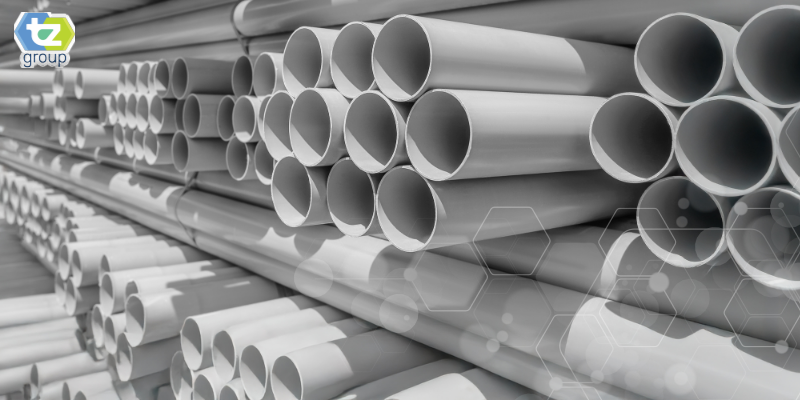
PVC manufacturing with DPHP for high-temperature performance
PVC Manufacturing with Di (2-Propylheptyl) Phthalate (DPHP) supports flexible PVC compounds that need heat resistance, low volatility, durability, and stable long- term performance. DPHP is used in demanding applications where plasticizer permanence, process control, weather resistance, and compliance review influence purchasing and production decisions.
PVC Manufacturing teams work with materials that must perform through processing, storage, installation, and service. Plasticizer selection affects flexibility, hardness, surface quality, heat aging, and outdoor durability.
DPHP offers a strong technical profile for flexible PVC compounds exposed to higher temperatures or long service cycles. Its value comes from low volatility, compatibility with PVC, and its role in applications such as automotive interiors, wire and cable, roofing membranes, flooring, and wall coverings. Keep reading to learn more about it.
Why is DPHP replacing traditional phthalates in high heat PVC applications?
DPHP is selected for high heat PVC applications due to its higher molecular weight, lower volatility, and better permanence compared with lighter plasticizers. These properties help flexible PVC retain performance during heat exposure, reducing plasticizer loss and supporting stable mechanical behavior over time.
Higher molecular weight improves permanence
Di (2-Propylheptyl) Phthalate (DPHP) has a structure that supports lower evaporation tendency. In PVC Manufacturing, this helps the compound retain plasticizer for longer periods. Better permanence can support flexibility retention and reduce the risk of premature rigidity in demanding service conditions.
Flexible PVC used under heat must keep a controlled balance between processability and finished performance. DPHP helps support this balance through low volatility and durable plasticizing behavior. This makes it relevant when production teams need consistency across compounding, forming, and finished goods performance.
| Selection point | Lower molecular weight plasticizers | DPHP |
| Volatility | Higher tendency to evaporate | Lower volatility |
| Permanence | Higher migration concern | Better retention in PVC |
| Heat aging | More sensitive to plasticizer loss | Stronger fit for high heat uses |
| Outdoor exposure | More dependent on additives | Supports weather resistance |
| Industrial use | Broad legacy use | Strong fit for durable PVC |
How does low volatility benefit industrial PVC?
Low volatility helps flexible PVC retain plasticizer during processing and service. This supports more stable hardness, flexibility, appearance, and long-term performance. For industrial buyers, low volatility also reduces the risk of quality variation when materials face heat, sunlight, or extended operating cycles.
Plasticizer loss can make PVC harder and less flexible. DPHP helps reduce that risk due to its low volatility profile. This is valuable in compounds designed for heat exposure, outdoor use, and applications where flexibility must remain stable throughout the product life cycle.
Process control improves with stable raw materials
PVC Manufacturing depends on predictable raw material behavior. A plasticizer with lower volatility helps maintain the intended viscosity profile and finished compound properties. This supports better production control, fewer formulation changes, and a clearer technical basis for purchasing decisions. Key technical advantages include:
- Better flexibility retention under heat
- Lower evaporation tendency
- Improved permanence in flexible PVC
- Support for long service life
- Stronger fit for durable industrial compounds
How does DPHP support automotive and wire and cable requirements?
DPHP supports automotive and wire and cable PVC compounds through low volatility, heat resistance, and permanence. These properties are relevant when materials must maintain flexibility, surface quality, insulation behavior, and controlled aging performance. Final approval depends on the complete formulation and required testing.
Low fogging performance
Automotive interiors are exposed to heat inside the cabin. DPHP is used in PVC components where low fogging behavior is important. This supports cleaner interior performance by reducing plasticizer deposition on glass and nearby surfaces when the compound is properly designed.
Thermal stability
Wire and cable sheathing must combine flexibility, durability, and insulation performance. DPHP supports these needs through low volatility and compatibility with PVC. In PVC Manufacturing, this makes it useful for compounds that need to resist heat while maintaining stable mechanical behavior.
Compliance depends on the full compound
A plasticizer supports performance, but compliance depends on the complete formulation. Technical buyers should review the plasticizer grade, stabilizers, additives, customer requirements, test methods, and regional rules before approving a finished PVC compound for regulated or specification driven applications.
How does DPHP improve weather resistance in outdoor PVC materials?
DPHP improves outdoor PVC performance by supporting flexibility retention, UV stability, and resistance to weathering. These properties help construction materials maintain function during sunlight exposure, temperature change, and outdoor service. The final result also depends on stabilizers, pigments, fillers, and processing conditions.
Better flexibility retention under outdoor exposure
Roofing membranes, flooring, wall coverings, and other flexible PVC materials can face heat, sunlight, and moisture. DPHP supports plasticizer permanence in these conditions. This helps reduce the performance loss associated with plasticizer evaporation or migration during extended service.
Stronger durability when used in a balanced PVC compound
DPHP contributes to weather resistant PVC, but it works as part of a complete formulation. Stabilizer selection, pigment package, filler level, and processing conditions all influence durability. The best results come from aligning the plasticizer choice with the intended outdoor application.
How should buyers optimize DPHP procurement?
DPHP procurement should be managed through technical specifications, supplier qualification, documentation control, packaging planning, and delivery coordination. This helps PVC Manufacturing teams reduce production risk, avoid unapproved substitutions, maintain compliance records, and protect compound consistency across purchasing cycles.
You should start with a clear specification. Purchasing teams should confirm grade, packaging, documentation, delivery cadence, and approved use before placing orders. This helps align procurement with plant requirements and compliance review. DPHP should be purchased as a technical input, not only as a price driven raw material.
And finally, avoid substitutions without technical approval. Plasticizer substitution can change hardness, flexibility, fogging behavior, heat aging, and processing behavior. Any change should be reviewed by technical, compliance, and production teams. This protects the compound design and reduces the risk of production issues.
Choose TZ Group as your DPHP supplier for PVC Manufacturing
Methacrylic acid and other industrial chemicals can support PVC Manufacturing operations when they are part of an approved purchasing and production program. TZ Group helps teams coordinate sourcing, documentation, packaging, and delivery planning so procurement does not create risk for production.
If your company requires Di (2-Propylheptyl) Phthalate (DPHP), methacrylic acid, or other industrial chemicals for PVC Manufacturing, contact us. Let’s develop your next project together under reliable supply practices, quality standards, and responsible chemical handling.
FAQs
What is DPHP used for in PVC Manufacturing?
DPHP is used as a plasticizer in flexible PVC compounds. It helps improve flexibility, durability, heat resistance, low volatility, and permanence. It is relevant for PVC Manufacturing applications that require stable performance under heat, outdoor exposure, or extended service conditions.
Why is low volatility important in flexible PVC?
Low volatility helps reduce plasticizer loss from the PVC compound. This supports flexibility retention, stable hardness, and longer service life. It is especially important when flexible PVC is exposed to heat, sunlight, or demanding operating conditions.
Is DPHP suitable for wire and cable PVC?
DPHP is suitable for wire and cable PVC compounds where flexibility, heat resistance, and permanence are required. Final approval depends on the full formulation, customer specifications, testing requirements, and applicable compliance rules.
Can DPHP improve outdoor PVC performance?
DPHP can support outdoor PVC performance through weather resistance, UV stability, and improved plasticizer permanence. The complete formulation must also include the right stabilizers, pigments, fillers, and processing conditions.
How should companies buy DPHP for PVC Manufacturing?
Companies should buy DPHP through qualified suppliers that provide consistent quality, documentation, packaging options, and delivery planning. Procurement teams should confirm grade, safety documents, certificates of analysis, inventory needs, and approval requirements before ordering.
