

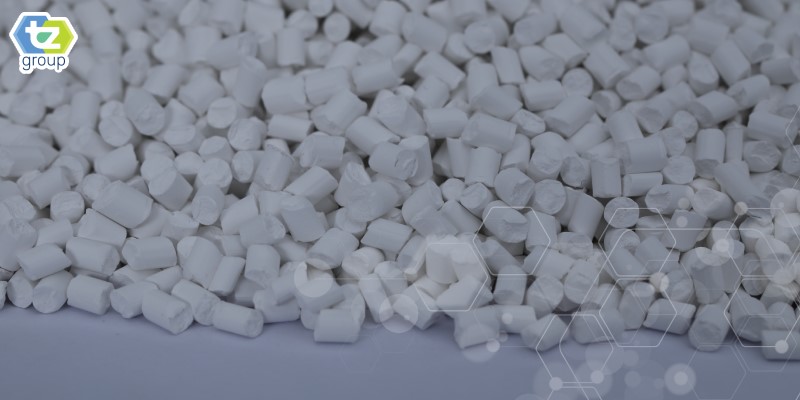
Methyl Methacrylate Monomer (MMA) is widely described as a key building block for acrylic materials that support coating performance needs such as outdoor durability and clarity. This note connects MMA based acrylic resin chemistry to weatherability, durable flooring and road marking demands, polymerization routes used for specialty coatings, and sustainability direction in water borne acrylic systems.
Every coating failure shows up as rework, downtime, or a customer claim, and Methyl Methacrylate Monomer (MMA) is often part of the acrylic binder strategy behind those outcomes. If you buy or approve raw materials for paints, coatings & pigments, this note helps you connect resin design to weather exposure, film durability, and the controls your site needs to keep production stable.
How does MMA influence weatherability and UV resistance?
MMA supports acrylic polymer structures widely selected when coatings must keep appearance and integrity under outdoor exposure. Weatherability is a system outcome driven by binder design, pigment package, and film formation conditions. MMA based acrylic approaches are typically evaluated for how they hold clarity, hardness, and surface stability over time.
Key MMA linked attributes that drive outdoor performance
Acrylic materials made from MMA are associated with optical clarity and a balance of rigidity and durability, which is why Methyl Methacrylate Monomer (MMA) is frequently discussed in acrylic product families used where appearance retention is important. In coatings terms, that translates into practical targets such as stable gloss and color appearance supported by the whole formulation.
Pigment effects on UV durability in MMA based binder systems
Pigments influence both color and light management in a film, and dispersion quality controls how evenly that protection is expressed across the surface. In paints, coatings & pigments, binder selection and pigment dispersion are linked because film defects, poor wetting, or unstable dispersion can create weak points that accelerate surface degradation under exposure.
Formulation behavior and finish quality
Specialty coatings are sensitive to viscosity profile, leveling, and film formation. Changes in how the acrylic is produced can shift these behaviors, which then affects appearance targets such as surface uniformity and clarity that matter in paints, coatings & pigments.
Why are durable resins essential in industrial flooring and road marking?
These coatings face repeated wear, contact stress, and environmental exposure, so durability is a primary design requirement. Methyl Methacrylate Monomer (MMA) is a widely used monomer for acrylic materials, and acrylic resin strategies are often selected when hardness, surface resilience, and long service performance are part of the specification.
Performance requirements that guide resin selection for high wear uses
Durable resin systems are judged on how the film holds together under abrasion, how well it bonds to the substrate, and how reliably it forms a uniform film under real application windows. MMA based acrylic approaches are commonly considered when the coating must stay clean in appearance, resist surface damage, and maintain functional markings over time.
How do MMA based acrylics support hard wearing films
Methyl Methacrylate Monomer (MMA) derived acrylic polymers are often associated with hardness and clarity at the material level, and that hardness can be valuable in wear driven applications when balanced with the flexibility needed for the substrate and service conditions. In practice, formulators tune the monomer mix and polymer design to avoid brittleness while keeping surface toughness.
Scale up variables that shift durability and application consistency
In high wear coatings, small process shifts can show up as large durability changes. Focus on dispersion energy control, batch temperature control, and consistent dry or cure conditions that support complete film formation. In paints, coatings & pigments plants, these controls reduce variability that can otherwise look like raw material inconsistency.
Which polymerization techniques are used for specialty coatings?
Methyl Methacrylate Monomer (MMA) is polymerized into acrylic polymers using established routes such as solution, emulsion, suspension, and bulk polymerization, each chosen based on the final resin form and application needs. Specialty coatings rely on this choice because it affects molecular weight control, particle morphology where relevant, and how the resin fits into a formulation.
What changes when you switch polymerization route
Different routes tend to change resin form, handling, and formulation behavior, not only final film properties. A polymer made for a solvent borne system has different practical integration needs than a latex made for a water borne system. For technical buyers, the most useful comparison is how the route influences quality controls and reproducibility for your process.
| POLYMERIZATION ROUTE | TYPICAL RESIN FORM USED IN COATINGS | PRACTICAL IMPLICATIONS FOR FORMULATORS |
| Solution polymerization | Dissolved acrylic resin | Solvent compatibility and viscosity control are central |
| Emulsion polymerization | Acrylic latex dispersion | Particle stability and film formation conditions are central |
| Suspension polymerization | Solid polymer beads | Often feeds downstream processing before final formulation |
| Bulk polymerization | Solid polymer mass | Often associated with base polymer production rather than finished coating resin |
MMA functionality in specialty resin design
Methacrylic acid is discussed in resin performance context because it introduces functionality that can influence interactions in a coating film, including adhesion related behavior and compatibility considerations depending on the formulation. When a team evaluates Methyl Methacrylate Monomer (MMA) based acrylic designs, functional monomers and acid value related choices are part of the same performance conversation.
Specialty resin performance drivers to confirm before formulation
In specialty coatings, polymerization route and monomer selection shape the resin form and the film properties that matter on the line and in service. A useful technical review focuses on polymer attributes that control flow and leveling, compatibility with pigments, film build, and durability. Confirm these drivers in the technical dossier before running qualification batches.
What is changing in water borne acrylic systems for modern coatings
Water borne acrylic systems continue to advance around stability, film formation, and performance consistency, with the aim of meeting demanding use conditions while supporting evolving environmental and workplace expectations. For paints, coatings & pigments producers, the technical focus is stable dispersions, robust application windows, and durable films that do not sacrifice appearance.
How do water borne acrylic films reach performance targets
Water borne performance depends on polymer particle design, coalescence behavior, and how the formulation manages water sensitivity during drying and early service. Acrylic latex design choices influence how quickly a film develops integrity and how it resists water pickup. These are formulation level outcomes validated through the product qualification plan.
Where MMA fits within water borne acrylic polymer design
It is a common acrylic building block used in polymer design where hardness and surface durability are needed, and those attributes can be relevant in water borne acrylics when the formulation aims for tougher films. In practice, MMA is one part of the monomer balance that is tuned for film formation, flexibility, and stability in water.
Formulation stability
- Water borne acrylic systems depend on dispersion stability and tight film formation control
- Solvent borne acrylic systems depend on solvent compatibility and evaporation control
Application window
- Water borne acrylic systems can be more sensitive to temperature and humidity conditions
- Solvent borne acrylic systems can be more sensitive to solvent blend and ventilation conditions
Plant controls
- Water borne acrylic systems rely on a storage stability program and contamination control
- Solvent borne acrylic systems rely on solvent handling and exposure controls
Performance validation
- Water borne acrylic systems focus on drying and early water resistance development checks
- Solvent borne acrylic systems focus on drying behavior and solvent release behavior checks
Why to choose TZ Group as your MMA supplier
Methyl Methacrylate Monomer (MMA) is a core building block in acrylic resin strategies used to balance durability, appearance, and process stability in paints, coatings & pigments. When you source MMA, the decision impacts not only performance targets but also documentation readiness, safe handling controls, and supply continuity across your plant network.
With headquarters in Houston, strategic locations throughout Mexico, an international trade office in Houston, at TZ Group we support safe, efficient, and cost effective deliveries, whether you need a container load or a single drum on a daily or monthly schedule. If your operation uses Methyl Methacrylate Monomer (MMA) in paints, coatings & pigments, contact us for distribution, technical support, and inventory management across Mexico and the US.
