

Sodium tripolyphosphate is a key material in detergents, food processing, and selected industrial applications where water quality, process control, and product stability shape plant performance. This inorganic salt supports mineral sequestration, dispersion, buffering, emulsification, and moisture retention in systems that need reliable results at production scale.
STPP stays relevant for one practical reason, it solves several formulation and process problems with one material. In detergent manufacturing, it softens hard water and supports cleaning efficiency. In food processing, it helps control texture, moisture, and product stability. That combination makes sodium tripolyphosphate a material that deserves close technical and regulatory review. Keep reading to learn more about it.
What Is sodium tripolyphosphate
It is a water soluble inorganic phosphate salt commonly supplied as a white granular or crystalline powder, and the abbreviation STPP is standard across technical and commercial documentation. Its established place in industrial applications comes from the ability to perform several functions within the same formulation.
Core chemical identity
The chemical formula is Na5P3O10. In commercial use, buyers usually encounter it as food grade or technical grade material, with grade selection linked to the intended process, specification demands, and regulatory pathway.
Why it is specified across industrial applications
STPP is not selected only as a commodity salt. It is selected when formulators need one raw material that can bind metal ions, support dispersion, stabilize process conditions, and improve moisture control. That multifunctional profile explains its broad use across detergents, food systems, water treatment, and related industrial applications.
What chemical properties and functions define its Use
Sodium tripolyphosphate is defined by high water solubility, strong affinity for calcium and magnesium ions, and useful performance as a dispersant, emulsifier, and pH control aid. Those properties make it valuable where hard water, suspended solids, unstable emulsions, or moisture loss can reduce product quality or process efficiency.
Chelation and hard water control
One of the most important functions is chelation. It binds calcium and magnesium ions that would otherwise interfere with surfactants, form deposits, or create scale inside equipment and wash systems. That function is central in detergent manufacturing and also supports selected industrial applications linked to water treatment.
Dispersion and suspension support
STPP also helps keep particles distributed through the system rather than settling or forming unwanted deposits. In technical formulations, that supports cleaner processing, more uniform product performance, and better control of mineral related interference.
Emulsification, buffering, and moisture retention
The same material can also assist with emulsification and pH buffering, which is why it appears in processed food and other formulated systems. In food processing, its role expands to moisture retention and texture support, especially in applications where water binding and product consistency are part of the specification.
How is sodium tripolyphosphate used in detergent manufacturing
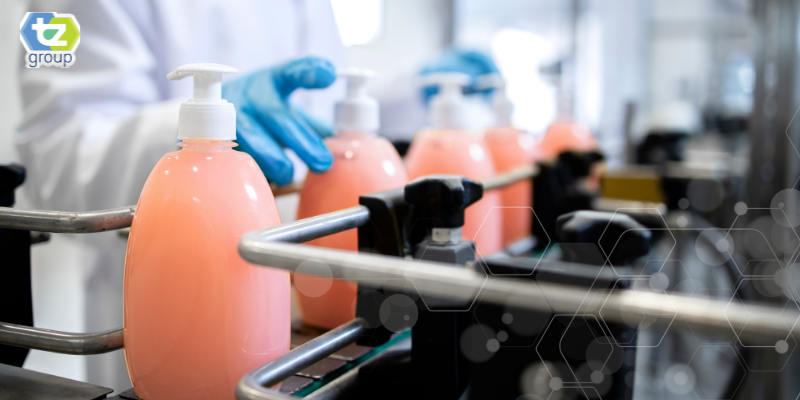
In detergent manufacturing, the material works mainly as a builder and water softener. It binds hardness ions, reduces scale formation, improves surfactant performance, and helps maintain cleaning efficiency in wash conditions where untreated water chemistry would otherwise reduce system performance.
Builder performance in cleaning systems
A builder is added to support surfactants rather than replace them. Sodium tripolyphosphate improves washing performance by preventing calcium and magnesium from consuming cleaning capacity or depositing on fabrics, dishes, and equipment surfaces. This is one of the main reasons STPP has remained important in institutional and industrial detergent formulations.
Scale control and soil management
Hard water does more than weaken detergency. It can also increase mineral deposits and interfere with stable suspension of removed soil. Sodium tripolyphosphate helps reduce those issues by controlling metal ions and supporting more stable wash conditions during use.
Why STPP still appears in industrial applications
Even where phosphate free household detergents have gained ground, STPP remains relevant in industrial applications that demand strong builder performance. Technical teams continue to evaluate it when cleaning efficiency, scale control, and formulation simplicity are high priorities.
| AREA | MAIN FUNCTION | PROCESS VALUE |
| Detergent manufacturing | Builder and water softener | Better surfactant efficiency and lower mineral interference |
| Food processing | Moisture retention and emulsification | Better texture, hydration, and product stability |
| Water treatment | Scale control and dispersion | Lower deposition risk in pipes and equipment |
What role does sodium tripolyphosphate play in Food Processing and Preservation?
In food processing, it’s used as a sequestrant, emulsifier, buffer, preservative aid, and moisture retention agent. Its value comes from its ability to improve water binding, support texture, stabilize mixed systems, and help maintain finished product consistency in tightly controlled formulations.
Moisture retention in protein systems
One of the best known food functions is moisture retention. It is widely used in processed meat, poultry, and seafood systems where better water binding supports texture, process yield, and finished product consistency during storage and cooking.
Texture and emulsification support
Food processors also use STPP when they need better stability in systems that combine water and fat. Its emulsifying role supports uniform structure, while its effect on hydration contributes to a firmer and more controlled texture in processed foods.
Buffering and product stability
Another reason the material remains relevant in food processing is pH control. As a buffering aid, it helps maintain more stable conditions inside the formulation, which supports shelf stability, sensory consistency, and process repeatability.
Environmental Regulations
Environmental regulation affects sodium tripolyphosphate most directly in cleaning products, where phosphate discharge is linked with eutrophication risk, algal growth, and stress on aquatic systems. For compliance officers and plant leaders, the main issue is not whether the material works. The issue is where and under what limits it can still be used.
Why regulation is stricter in detergents
Regulatory pressure has been strongest in detergents and cleaning products, especially in consumer markets. Limits on phosphate content have expanded in many regions due to concerns about wastewater discharge and downstream nutrient loading in rivers, lakes, and other water bodies.
Why food use follows a different path
Food grade material is reviewed through food additive rules rather than through detergent discharge policy. That means the compliance framework is to grade, concentration, and approved use conditions instead of the broader environmental restrictions applied to many cleaning products.
For technical buyers and compliance teams, supplier review should cover three points to help reduce commercial risk and avoid specification errors that can create rework, reformulation, or shipment delays.
- grade alignment with the target application
- documentation for quality and regulatory fit
- awareness of market specific limits for detergents, wastewater handling, or food use conditions
Why Choose TZ Group for Sodium Tripolyphosphate Supply
A supplier should support more than delivery. Buyers need consistent product quality, responsive technical communication, and practical support across specification review, inventory planning, and supply continuity. That is especially true when the same organization manages detergents, food processing inputs, and other industrial applications with different documentation and handling demands.
When sodium tripolyphosphate is part of a critical process, supply cannot be left to chance. TZ Group supports your operation with reliable distribution, technical guidance, inventory management, and logistics designed around real plant demand across the US and Mexico. If your team is looking for a supplier that helps protect continuity, quality, and decision making at every stage, contact us and build a supply strategy you can trust.
